Shaping the Future: Trends and Challenges in Smart Building Security

Exploring the future of smart buildings key trends, rising challenges, and the need for strong system security. Greater connectivity brings efficiency but also increases vulnerability. Securing every component is crucial for safe, sustainable growth.

How do smart buildings improve energy efficiency and sustainability?

Smart buildings improve energy efficiency and sustainability through intelligent automation and real-time data monitoring. They use sensors and IoT devices to control lighting, HVAC, and appliances based on occupancy and environmental conditions. This reduces unnecessary energy consumption and optimizes usage patterns. Advanced energy management systems analyze usage trends to identify inefficiencies and suggest improvements. Smart thermostats and adaptive lighting systems lower energy waste without compromising comfort. Integration with renewable energy sources like solar panels further boosts sustainability.

Predictive maintenance reduces equipment failure and prolongs the life of critical systems significantly. Overall, smart buildings create greener environments while cutting operational costs effectively and sustainably.

Top Advantages of Implementing Smart Building Technologies

Implementing smart building technologies offers numerous advantages that transform traditional structures into efficient, responsive environments. One of the primary benefits is enhanced energy efficiency—smart systems monitor and adjust lighting, heating, and cooling based on real-time data, reducing unnecessary energy consumption. This not only lowers utility costs but also supports sustainability efforts by minimizing the building’s carbon footprint.

Smart buildings also improve occupant comfort and productivity by maintaining optimal indoor conditions and adapting to user preferences. Additionally, predictive maintenance enabled by smart technologies helps detect equipment issues before they cause costly breakdowns, extending the lifespan of building systems and reducing downtime. Enhanced security features, including integrated surveillance and access control, safeguard both people and assets.

Centralized control and automation make building management more efficient by enabling facility managers to monitor and control all systems through one user-friendly platform. This integration streamlines operations, minimizes errors, and allows for immediate responses to system alerts, boosting overall building performance. Smart building technologies offer a forward-thinking infrastructure that cuts costs, promotes sustainability, and enhances occupant comfort and safety, paving the way for smarter, more resilient buildings.


Streamline Your Utility Operations with Energy Management & Billing Software

In an era where energy efficiency and operational accuracy are crucial, utility providers and businesses are turning to Energy Management and Billing Software to simplify their workflow and boost productivity. From tracking consumption to automating billing, this technology is transforming how energy is monitored, managed, and monetized.

Why Energy Management Matters

Managing energy consumption isn’t just about reducing costs—it’s about creating a more sustainable and efficient business model. Manual tracking and outdated billing methods can lead to errors, delays, and loss of revenue. A smart energy management system provides real-time data, helping businesses make informed decisions and reduce wastage.

The Power of Billing Automation

Billing software eliminates the need for manual calculations and paper invoices. With features like:

  • Automated invoice generation
  • Real-time consumption-based billing
  • Payment tracking and alerts
  • Integration with accounting systems

You save time, reduce errors, and improve customer satisfaction.

Key Benefits for Utility Providers and Businesses

  1. Improved Accuracy – No more human errors in meter readings or billing cycles.
  2. Real-Time Monitoring – Get instant insights into energy usage patterns.
  3. Scalability – Whether you manage 10 units or 10,000, the system grows with you.
  4. Regulatory Compliance – Easily generate reports and stay compliant with energy regulations.
  5. Customer Transparency – Offer users clear, itemized billing with consumption insights.

Optimize for the Future

As industries shift toward digital transformation, adopting Energy Management & Billing Software isn’t just a trend—it’s a necessity. It empowers businesses to take control of energy usage, reduce operational headaches, and enhance customer trust.

Advanced Surveillance for Modern Infrastructure: What You Need to Know

As modern buildings evolve into smart, interconnected ecosystems, the need for sophisticated, proactive security solutions becomes critical. Traditional CCTV systems are no longer enough. Today’s infrastructure demands intelligent video surveillance systems that do more than just record—they analyze, detect, and respond in real time.

The Rise of Smart Surveillance

Modern surveillance is powered by AI, automation, and data analytics. These systems don’t just monitor—they interpret. With features like facial recognition, intrusion detection, and real-time alerts, they transform how safety and security are managed across commercial, industrial, and residential buildings.

Key Features of Advanced Surveillance Systems

  1. AI-Driven Detection
    Identify suspicious movements, crowd patterns, or unauthorized access through smart analytics and machine learning.
  2. Remote Access & Control
    Monitor live or recorded footage from anywhere, at any time—ensuring total visibility even when you’re offsite.
  3. Integration with Building Management Systems (BMS)
    Seamlessly connect surveillance with other smart systems like lighting, access control, fire alarms, and HVAC for total building automation.
  4. Cloud Storage & Real-Time Alerts
    Store high-definition footage securely in the cloud and receive instant alerts when abnormal activity is detected.
  5. Cyber-Secure Infrastructure
    Equipped with encrypted data transmission and multi-layer security protocols, these systems protect both physical and digital assets.

Smart surveillance systems offer more than just security—they bring intelligence and automation to building management. These systems enable real-time threat detection, reducing response time during emergencies and preventing unauthorized access. By integrating with other building systems like access control and fire alarms, they streamline operations and improve situational awareness. Additionally, they lower labor costs, enhance occupant safety, and support compliance with regulatory standards. For property owners and facility managers, this means greater peace of mind, improved efficiency, and a future-ready infrastructure that adapts to evolving security needs.

Josh Automation delivers industry-leading Video Surveillance Systems tailored for today’s complex infrastructure. Our intelligent solutions help clients monitor their facilities with confidence, integrate seamlessly with other systems, and stay a step ahead of threats. Whether it’s a smart office, hospital, or manufacturing plant, we ensure your building is secure, efficient, and future-ready.

Smart Fire Detection Systems: Safeguarding Modern Infrastructure

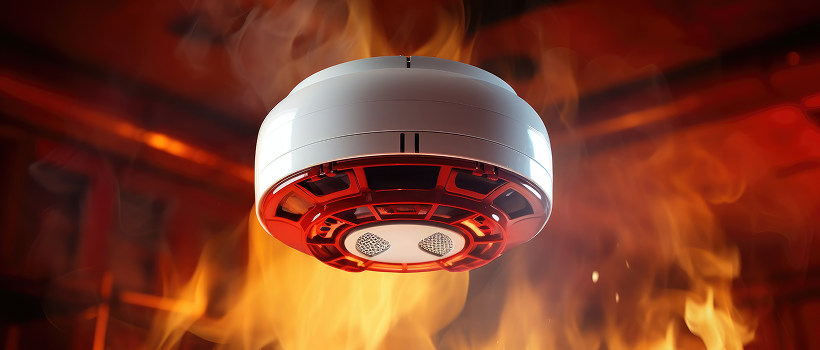
In an age of intelligent buildings and automated safety, Josh Automation is leading the way in providing innovative solutions that enhance both protection and peace of mind. One of the most critical technologies for modern infrastructure is the Smart Fire Detection and Alarm System, designed to detect fire hazards early, respond quickly, and minimize damage before it’s too late.

The Evolution of Fire Safety

Traditional systems were reactive—detecting smoke or heat and sounding alarms. But today’s Fire Detection and Alarm Systems are smarter. Powered by AI, IoT, and cloud integration, they deliver real-time alerts, advanced diagnostics, and seamless coordination with other building management systems. With Josh Automation’s cutting-edge fire safety solutions, buildings are safer, faster, and more connected than ever before.

Key Features of a Smart Fire Detection and Alarm System

  1. Real-Time Monitoring
    Constant data collection from smart sensors ensures immediate detection and faster response to potential fire threats.
  2. Remote Alerts and Control
    With Josh Automation’s platform, alerts can be received on mobile devices, enabling facility managers to take action instantly—even offsite.
  3. Integrated Building Response
    These systems can be integrated with ventilation, elevators, sprinklers, and emergency lighting to enable automatic safety protocols.
  4. False Alarm Reduction
    Advanced analytics help differentiate between smoke, steam, dust, or heat to avoid unnecessary panic and business interruptions.
  5. Regulatory Compliance and Reports
    Automated reports and event logs assist in safety audits and meeting fire safety compliance standards.

Why Smart Fire Detection Is a Must for Modern Buildings

In today’s complex infrastructure environments, the risk of fire can mean not only loss of property but also endangering human lives and operational downtime. With Josh Automation’s Fire Detection and Alarm Systems, businesses gain:

  • Faster Emergency Response
  • Reduced Insurance Premiums
  • Improved Building Safety Ratings
  • Increased Trust and Peace of Mind for Occupants

Whether it’s a data center, hospital, warehouse, or high-rise office, having a smart fire detection system is no longer optional—it’s essential.

Josh Automation: Your Partner in Smart Fire Safety

As a trusted provider of intelligent automation solutions, Josh Automation offers fully scalable, customizable Fire Detection and Alarm Systems that can be tailored to your building’s size, purpose, and risk profile. Our systems integrate seamlessly with Building Management Systems (BMS) for centralized monitoring and operational efficiency.

How Access Control Systems Can Safeguard Your Property

In an era where security threats are increasingly sophisticated, protecting your property demands more than traditional locks and keys. Access control systems offer a dynamic solution, blending advanced technology with user convenience to create a robust security framework. This blog explores how these systems enhance safety and provide peace of mind for property owners.

What Are Access Control Systems?
Access control systems regulate entry to buildings or specific areas using electronic methods. Unlike traditional locks, they utilize credentials like keycards, biometric scans (e.g., fingerprints or facial recognition), or mobile apps to grant access. These systems can be tailored to fit diverse environments, from small offices to large industrial complexes.

Key Benefits of Access Control Systems

  1. Enhanced Security
    • Restricted Access: Limit entry to authorized personnel only, minimizing unauthorized intrusions.
    • Customizable Permissions: Assign access levels based on roles (e.g., employees vs. contractors).
  2. Real-Time Monitoring & Tracking
    • Log entries and exits, providing an audit trail for investigations.
    • Receive instant alerts for suspicious activity, such as forced entry attempts.
  3. Deterrent to Intruders
    • Visible security measures like biometric scanners discourage potential breaches.
  4. Integration with Security Ecosystems
    • Sync with cameras, alarms, and IoT devices for a unified security network.
    • Example: Triggering video recording when a door is accessed after hours.
  5. Remote Management
    • Grant or revoke access remotely via smartphones, ideal for multi-site management.
    • Quickly respond to security incidents, even off-site.
  6. Scalability
    • Easily adjust access rights as your organization grows or needs change.
  7. Protection of Sensitive Areas
    • Secure high-risk zones (e.g., server rooms, labs) with multi-factor authentication.
  8. Eliminate Physical Key Risks
    • Deactivate lost credentials instantly, avoiding costly lock replacements.
  9. Regulatory Compliance
    • Meet industry standards (e.g., HIPAA in healthcare, GDPR for data protection).
  10. Cost Efficiency
    • Reduce losses from theft or breaches, offering long-term savings over traditional systems.

Real-World Applications

  • Corporate Offices: Manage employee and visitor access while securing confidential areas.
  • Residential Complexes: Enhance tenant safety with biometric entry and visitor logs.
  • Healthcare: Protect patient records and medication storage.
  • Education: Restrict campus access to students and staff, monitoring for emergencies.

Choosing the Right System
Consider factors such as:

  • Property Size: Scale the system to cover all entry points.
  • User Volume: Ensure the system handles peak traffic without delays.
  • Features Needed: Prioritize must-haves like mobile integration or biometrics.
  • Budget: Balance upfront costs with long-term benefits.

Cybersecurity & User Experience

  • Opt for systems with encryption and regular software updates to thwart hacking attempts.
  • Ensure user-friendly interfaces to encourage adoption and minimize errors.

Conclusion
Access control systems are a cornerstone of modern security strategies, offering tailored protection that adapts to evolving threats. By investing in these systems, property owners not only safeguard assets but also streamline operations and demonstrate a commitment to safety. Whether for a business, home, or specialized facility, access control is a proactive step toward a secure future.

The Essential Role of Public Addressing Systems in Modern Communication

Where communication breakdowns can swiftly escalate into chaos, public addressing (PA) systems stand as silent guardians of clarity and order. From the cacophony of crowded stadiums to the hushed urgency of emergency rooms, these systems cut through noise and confusion, delivering vital messages when moments matter most. More than just loudspeakers, modern PA systems have evolved into sophisticated lifelines, ensuring safety, streamlining operations, and fostering seamless coordination across industries. This blog dives into how these unassuming yet powerful tools have become the cornerstone of effective communication—transforming how we respond to crises, manage daily operations, and stay connected in an increasingly complex world.

What is a Public Addressing System?

A public addressing system is a network of audio equipment designed to amplify and distribute sound across a designated area. Key components include microphones, amplifiers, speakers, and control units. While early PA systems were simple megaphones or wired setups, modern versions integrate wireless technology, digital interfaces, and even AI-driven automation to deliver crisp, reliable audio to large audiences or targeted zones.

The Evolution of PA Systems

From their humble beginnings in the early 20th century—used primarily for political rallies and sports events—PA systems have transformed dramatically. Today, they are:

  • Digital and IP-Based: Transmit audio over networks for seamless integration with other technologies.
  • Zoned and Scalable: Allow targeted announcements in specific areas (e.g., a single floor in a mall or an entire stadium).
  • Smart and Adaptive: Use AI to optimize sound quality or trigger automated alerts during emergencies.

Why PA Systems Matter in Modern Communication

1. Safety and Emergency Response

PA systems are lifelines during crises. Whether it’s a fire alarm in a school, an evacuation notice in a factory, or a security alert in a shopping center, these systems ensure instructions reach everyone instantly. For example:

  • Hospitals use PA systems to broadcast “Code Blue” alerts for cardiac emergencies.
  • Airports rely on them to guide passengers during delays or security threats.

2. Operational Efficiency

In large facilities like warehouses, corporate campuses, or universities, PA systems streamline daily operations:

  • Announce shift changes or schedule updates.
  • Direct staff during peak hours or logistical challenges.
  • Reduce reliance on fragmented communication tools like emails or messaging apps.

3. Public Engagement and Inclusivity

PA systems ensure everyone receives the same message, regardless of their location or device. This is vital for:

  • Educational Institutions: Morning announcements, bell schedules, or lockdown drills.
  • Retail and Hospitality: Promoting sales, guiding customers, or managing queues.
  • Public Transport: Real-time updates on delays, platform changes, or safety protocols.

4. Crisis Communication

Natural disasters, security breaches, or health emergencies demand rapid, authoritative communication. PA systems:

  • Cut through noise to deliver urgent instructions.
  • Prevent panic by providing clear, calm guidance.
  • Integrate with alarms and IoT sensors for automated alerts (e.g., smoke detectors triggering evacuation announcements).

Integration with Modern Technology

Today’s PA systems are no longer standalone tools. They synergize with cutting-edge tech to amplify their impact:

  • IoT Connectivity: Link with sensors (e.g., fire alarms, motion detectors) to trigger context-specific alerts.
  • Mobile Integration: Allow administrators to make announcements via smartphones or tablets.
  • AI and Voice Recognition: Enable voice-activated commands or real-time language translation for multilingual environments.
  • Cloud Management: Offer remote monitoring and control for multi-site organizations.

The Benefits of Implementing a Modern Parking Management System

In today’s urban environment, parking is no longer just a matter of space—it’s about efficiency, convenience, and technology. Implementing a Modern Parking Management System (PMS) can transform the way parking facilities operate, offering advantages for both users and administrators.

Whether it’s for a commercial building, hospital, residential complex, or retail space, here are the key benefits of adopting a modern parking solution:

1. Efficient Space Utilization

Modern PMS solutions use real-time data, sensors, and smart algorithms to guide vehicles to available spots. This reduces unnecessary driving within the lot and helps maximize the use of every square meter of parking space.

2. Reduced Traffic Congestion

By streamlining entry, exit, and space finding, a PMS reduces wait times and traffic build-up. Drivers can quickly locate available parking, minimizing frustration and improving the overall flow of vehicles.

3. Improved Security

Modern systems integrate features such as license plate recognition, surveillance cameras, and automated access control. This enhances security, prevents unauthorized parking, and creates a safer environment for both people and vehicles.

4. Increased Revenue Control

Automated billing, digital payment options, and real-time revenue tracking allow for more accurate financial reporting and less revenue leakage. Dynamic pricing models can also be implemented to optimize earnings during peak hours.

5. Enhanced User Experience

Features such as mobile app access, contactless payments, reservation systems, and real-time space availability updates make parking more convenient for users. A seamless experience encourages customer satisfaction and loyalty.

6. Environmental Benefits

By reducing the time vehicles spend idling or circling for parking, modern PMS solutions help lower carbon emissions and fuel usage, contributing to a more sustainable environment.

7. Data-Driven Decision Making

A PMS collects valuable data on user behavior, occupancy trends, and peak times. This information enables informed decisions about facility expansion, staffing, pricing, and more.

8. Scalability and Integration

Modern systems are built to scale, whether you’re managing a single facility or multiple locations. They also integrate with other smart building systems, offering a future-ready infrastructure for urban development.

Conclusion

A modern Parking Management System is more than just an upgrade—it’s a strategic investment. It improves operational efficiency, enhances user satisfaction, and lays the foundation for smart, sustainable infrastructure. For clubs, businesses, and facilities aiming to modernize, a PMS is a clear step forward.

Inside a LAN: How Local Networks Keep Your Systems Connected

In a world driven by connectivity, the Local Area Network—commonly known as LAN—remains one of the most fundamental building blocks of modern computing. Whether you’re working in an office, streaming at home, or sharing files across devices, chances are you’re relying on a LAN.

But what exactly is a LAN? How does it work? And why is it still essential in an era of wireless and cloud technology? Let’s dive inside a LAN to understand how local networks keep your systems connected and functioning seamlessly.

What is a Local Area Network (LAN)?

A Local Area Network is a group of interconnected devices within a limited geographical area, such as a home, office, school, or building. These devices—computers, printers, servers, phones, and more—communicate with each other through network switches, routers, cables, or Wi-Fi access points.

Unlike the Internet, which is vast and global, a LAN is private, fast, and secure, offering high-speed communication within a localized environment.

Core Components of a LAN

To understand how LANs work, it’s important to recognize their key components:

1. Network Interface Cards (NICs)

Every device on the LAN has a NIC, either wired (Ethernet) or wireless (Wi-Fi), which enables it to connect and communicate on the network.

2. Switches

Switches are central devices that connect multiple devices within the LAN and intelligently forward data to the correct destination.

3. Routers

Routers connect the LAN to external networks like the Internet. While not required for basic LAN communication, they are essential for accessing online services.

4. Cabling or Wi-Fi

LANs may use Ethernet cables (Cat5e, Cat6) for high-speed wired connections or Wi-Fi for wireless flexibility.

5. Servers and Shared Resources

In many LANs, servers host files, applications, or printers, enabling shared access across the network.

How LANs Keep Your Systems Connected

LANs are designed for speed, efficiency, and collaboration. Here’s how they ensure continuous connectivity:

● Data Sharing

LANs allow users to share files, folders, applications, and printers quickly without needing external Internet access.

● Collaboration Tools

With LAN-based communication platforms or shared software, team collaboration becomes faster and more secure.

● Centralized Management

LANs support centralized data storage and backup solutions, making it easier to manage systems, ensure security, and maintain control.

● Speed and Reliability

LANs offer lower latency and higher data transfer rates than cloud-based solutions, especially within office environments where large files are frequently shared.

Benefits of Using a LAN

  • High Speed: LANs typically support speeds from 100 Mbps to 10 Gbps.
  • Security: Internal data stays within the local network, reducing exposure to outside threats
  • Cost-Effective: Once set up, LANs minimize costs associated with data sharing and device access.
  • Scalability: Easy to add new devices without overhauling the entire network.

Common Uses of LANs

  • Offices for team collaboration and shared printers
  • Schools and universities for labs and digital classrooms
  • Homes for connecting smart TVs, computers, game consoles, and phones
  • Hospitals for connecting patient monitoring systems, workstations, and medical equipment

Conclusion

Despite the rise of cloud computing and mobile networks, the Local Area Network remains a critical infrastructure for reliable, secure, and high-speed connectivity. Whether you’re transferring a file, printing a document, or streaming a movie, your LAN is working behind the scenes to keep your devices connected and efficient.

As technology advances, LANs are becoming smarter, faster, and more secure—adapting to the needs of businesses, institutions, and households alike. Understanding how LANs operate helps you appreciate the invisible web of communication that powers your daily digital life.

What Is a Building Automation System? A Complete Guide

Modern buildings are more than just structures made of concrete and steel—they are evolving into intelligent environments that adapt, respond, and optimize operations in real-time. At the heart of this transformation lies the Building Automation System, often referred to as BAS. This advanced technology is quietly reshaping the way we manage commercial spaces, healthcare facilities, schools, residential complexes, and industrial infrastructure.

A Building Automation System is an integrated network that allows seamless control over a building’s critical systems. From adjusting indoor temperatures to managing lighting, ventilation, security, and energy usage, a BAS offers centralized oversight and automation of the entire facility. What sets it apart is its ability to collect data from sensors installed throughout the building and use that information to make real-time decisions, ensuring everything runs efficiently without constant human intervention.

For instance, imagine a building that adjusts its lighting based on the availability of natural sunlight or automatically reduces energy usage in unoccupied rooms. With a BAS in place, this is not just possible—it becomes the standard. It continuously monitors indoor conditions, anticipates user needs, and triggers the right actions at the right time, often without anyone noticing the adjustments being made. The result is not only enhanced comfort for occupants but also significant energy savings and operational efficiency.

What makes a BAS even more powerful is its centralized interface. Facility managers no longer need to walk from room to room making manual adjustments. Instead, they can log into a control dashboard—either onsite or remotely via a mobile device—to monitor system performance, review reports, and address any issues in real-time. Whether it’s detecting a malfunctioning air conditioning unit or adjusting access permissions, everything can be managed from a single point.

The benefits extend beyond just automation. A BAS contributes to long-term sustainability by reducing energy waste and supporting green building initiatives. It also plays a vital role in safety and security. Integrated with surveillance systems, alarms, and access control, a BAS can detect unusual activities, initiate lockdowns, and alert emergency services if necessary. In high-traffic or sensitive environments like hospitals and data centers, this kind of smart coordination is invaluable.

While some people use the terms BAS and BMS (Building Management System) interchangeably, it’s worth noting that a BAS primarily focuses on automation and control, whereas a BMS encompasses broader management tools, including performance analytics and reporting. However, both work hand in hand to ensure a building is operating at peak performance.

As technology evolves, Building Automation Systems are becoming even more intelligent. With the integration of the Internet of Things (IoT), artificial intelligence, and cloud-based platforms, future BAS solutions will offer predictive maintenance, real-time diagnostics, and even voice-activated controls. These innovations will redefine how we interact with the built environment, making buildings not only smarter but more human-centric.

In today’s fast-paced world, efficiency, safety, and sustainability are no longer optional—they are expectations. Implementing a Building Automation System is a proactive step toward meeting these demands. Whether you’re overseeing a corporate office, managing a hospital, or developing residential communities, a BAS offers a powerful foundation for smarter, more responsive, and future-ready infrastructure.

All the Measures to Optimize performance, Avoid Hazards and Manage Emergencies

Get your custom quote for innovative automation and safety solutions crafted to match your needs.

Enquiry Now