
Shaping the Future: Trends and Challenges in Smart Building Security

Exploring the future of smart buildings key trends, rising challenges, and the need for strong system security. Greater connectivity brings efficiency but also increases vulnerability. Securing every component is crucial for safe, sustainable growth.

How do smart buildings improve energy efficiency and sustainability?

Smart buildings improve energy efficiency and sustainability through intelligent automation and real-time data monitoring. They use sensors and IoT devices to control lighting, HVAC, and appliances based on occupancy and environmental conditions. This reduces unnecessary energy consumption and optimizes usage patterns. Advanced energy management systems analyze usage trends to identify inefficiencies and suggest improvements. Smart thermostats and adaptive lighting systems lower energy waste without compromising comfort. Integration with renewable energy sources like solar panels further boosts sustainability.

Predictive maintenance reduces equipment failure and prolongs the life of critical systems significantly. Overall, smart buildings create greener environments while cutting operational costs effectively and sustainably.

Top Advantages of Implementing Smart Building Technologies

Implementing smart building technologies offers numerous advantages that transform traditional structures into efficient, responsive environments. One of the primary benefits is enhanced energy efficiency—smart systems monitor and adjust lighting, heating, and cooling based on real-time data, reducing unnecessary energy consumption. This not only lowers utility costs but also supports sustainability efforts by minimizing the building’s carbon footprint.

Smart buildings also improve occupant comfort and productivity by maintaining optimal indoor conditions and adapting to user preferences. Additionally, predictive maintenance enabled by smart technologies helps detect equipment issues before they cause costly breakdowns, extending the lifespan of building systems and reducing downtime. Enhanced security features, including integrated surveillance and access control, safeguard both people and assets.

Centralized control and automation make building management more efficient by enabling facility managers to monitor and control all systems through one user-friendly platform. This integration streamlines operations, minimizes errors, and allows for immediate responses to system alerts, boosting overall building performance. Smart building technologies offer a forward-thinking infrastructure that cuts costs, promotes sustainability, and enhances occupant comfort and safety, paving the way for smarter, more resilient buildings.

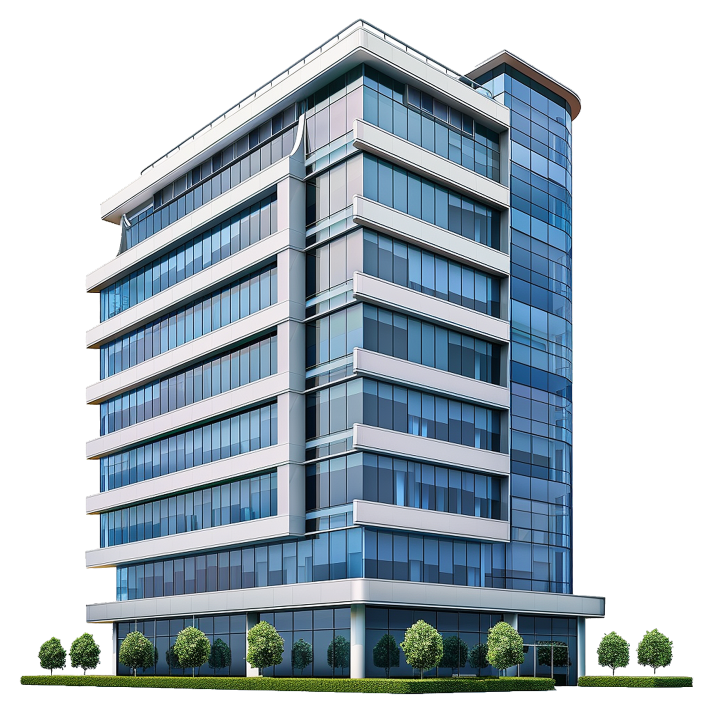
What Is a Building Automation System? A Complete Guide

Modern buildings are more than just structures made of concrete and steel—they are evolving into intelligent environments that adapt, respond, and optimize operations in real-time. At the heart of this transformation lies the Building Automation System, often referred to as BAS. This advanced technology is quietly reshaping the way we manage commercial spaces, healthcare facilities, schools, residential complexes, and industrial infrastructure.

A Building Automation System is an integrated network that allows seamless control over a building’s critical systems. From adjusting indoor temperatures to managing lighting, ventilation, security, and energy usage, a BAS offers centralized oversight and automation of the entire facility. What sets it apart is its ability to collect data from sensors installed throughout the building and use that information to make real-time decisions, ensuring everything runs efficiently without constant human intervention.

For instance, imagine a building that adjusts its lighting based on the availability of natural sunlight or automatically reduces energy usage in unoccupied rooms. With a BAS in place, this is not just possible—it becomes the standard. It continuously monitors indoor conditions, anticipates user needs, and triggers the right actions at the right time, often without anyone noticing the adjustments being made. The result is not only enhanced comfort for occupants but also significant energy savings and operational efficiency.

What makes a BAS even more powerful is its centralized interface. Facility managers no longer need to walk from room to room making manual adjustments. Instead, they can log into a control dashboard—either onsite or remotely via a mobile device—to monitor system performance, review reports, and address any issues in real-time. Whether it’s detecting a malfunctioning air conditioning unit or adjusting access permissions, everything can be managed from a single point.

The benefits extend beyond just automation. A BAS contributes to long-term sustainability by reducing energy waste and supporting green building initiatives. It also plays a vital role in safety and security. Integrated with surveillance systems, alarms, and access control, a BAS can detect unusual activities, initiate lockdowns, and alert emergency services if necessary. In high-traffic or sensitive environments like hospitals and data centers, this kind of smart coordination is invaluable.

While some people use the terms BAS and BMS (Building Management System) interchangeably, it’s worth noting that a BAS primarily focuses on automation and control, whereas a BMS encompasses broader management tools, including performance analytics and reporting. However, both work hand in hand to ensure a building is operating at peak performance.

As technology evolves, Building Automation Systems are becoming even more intelligent. With the integration of the Internet of Things (IoT), artificial intelligence, and cloud-based platforms, future BAS solutions will offer predictive maintenance, real-time diagnostics, and even voice-activated controls. These innovations will redefine how we interact with the built environment, making buildings not only smarter but more human-centric.

In today’s fast-paced world, efficiency, safety, and sustainability are no longer optional—they are expectations. Implementing a Building Automation System is a proactive step toward meeting these demands. Whether you’re overseeing a corporate office, managing a hospital, or developing residential communities, a BAS offers a powerful foundation for smarter, more responsive, and future-ready infrastructure.

All the Measures to Optimize performance, Avoid Hazards and Manage Emergencies

Get your custom quote for innovative automation and safety solutions crafted to match your needs.

Enquiry Now